Washer & Dryer Repair in Acton, MA
Appliance Repair for Homes & Businesses in Acton, Littleton, Concord, Stow, Boxborough, Massachusetts and Nearby Areas
Washer and Dryer Repair in Acton, Massachusetts, Appliance Repair Pros
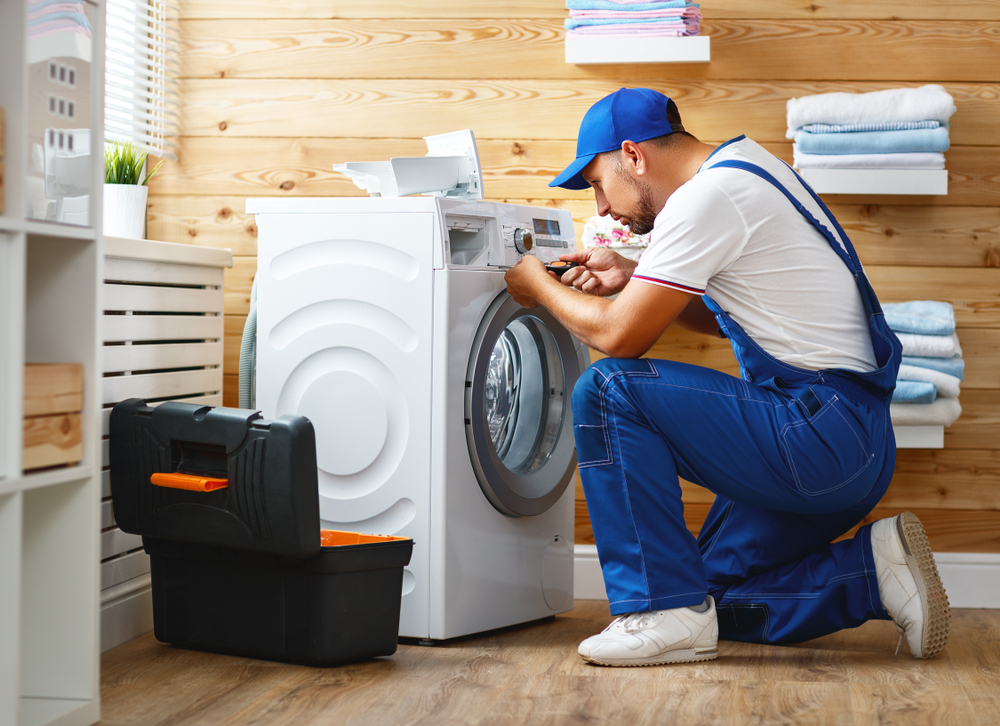
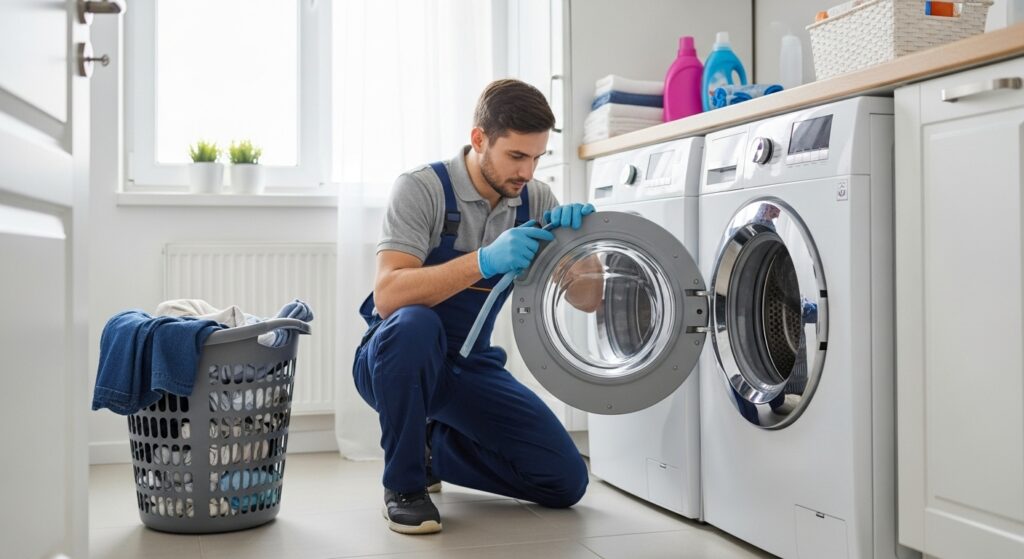
Washer and Dryer Repair in Acton, Massachusetts is a primary service we offer to keep households running smoothly, serving neighbors in Acton, Boxborough, Concord, Littleton, and Stow. When your laundry appliances fail, the pile of dirty clothes grows rapidly, disrupting work schedules, school routines, and weekend plans. Whether you are dealing with a washing machine that refuses to drain, a front loader that is leaking water, a dryer that is making loud thumping noises, or a unit that simply will not turn on, we can help. We understand the unique laundry setups in our area, from stackable units in West Acton condos to heavy duty machines in the basements of historic homes where drainage runs can be long. Our technicians focus on meticulous diagnostics to solve the problem at its source rather than just swapping parts. We treat your home with respect, using protective floor coverings and ensuring we leave your laundry room clean. Contact us today.
Washer and Dryer Repair Services in Acton
We provide comprehensive repair services for all configurations of laundry equipment. Modern machines have evolved from simple mechanical timers to complex digital systems with weight sensors and variable speed motors. We are equipped to handle the repair of both residential and high capacity units.
Laundry systems we work on:
- Top load washing machines (agitator and impeller)
- Front load high efficiency washers
- Gas dryers
- Electric dryers
- Stackable washer and dryer sets
- All-in-one laundry centers
- Ventless and condensing dryers
What makes washer and dryer repair tricky:
- Direct drive motor technology
- Electronic main control boards
- Lid lock safety mechanisms
- Gas valve coils and ignition sensors
- Moisture sensing bars
- Suspension and balancing systems
- Internal drum seals and bearings
Common Washer and Dryer Problems We Fix
Washer Will Not Drain
A washer full of standing water is a messy problem. This often happens right before the spin cycle, leaving clothes soaking wet.
- Clogged drain pump filter (coins, socks, lint)
- Failed drain pump motor
- Broken lid switch (safety feature)
- Kinked or clogged drain hose
- Control board failure
How we diagnose it
We listen to the pump to see if it is energizing. We check the continuity of the lid switch, as many washers will not drain if they think the lid is open. We also inspect the drain path for physical obstructions.
What you can do right now
Check your drain hose for kinks behind the machine. If you have a front loader with an access door, check the cleanout filter for debris.
Dryer Is Not Heating
A dryer that spins but remains cold is essentially just a fan. This is the most common dryer issue we encounter.
- Burned out heating element (Electric)
- Blown thermal fuse
- Weak gas valve coils (Gas)
- Failed igniter (Gas)
- Tripped circuit breaker
How we diagnose it
For electric dryers, we test the element and thermostats for continuity. For gas dryers, we observe the burner assembly to see if the igniter glows and if the gas valve opens. We also test the thermal fuse, which blows if the vent is clogged.
What you can do right now
Check your electrical panel. Electric dryers require a double breaker (240v). Sometimes one side trips while the other stays on, allowing the motor to run but no heat.
Washer Is Shaking or Vibrating
Excessive vibration can damage your floors and the machine itself. This is especially concerning for second floor laundry rooms common in Acton townhomes.
- Worn suspension rods
- Broken shock absorbers
- Leveling legs not adjusted
- Unbalanced load sensor error
- Counterweight damage
How we diagnose it
We physically inspect the suspension system by pressing down on the tub to check for rebound. We ensure the machine is perfectly level and that the lock nuts on the feet are tight.
What you can do right now
Try redistributing the clothes inside. If washing heavy items like bedding, try adding towels to balance the weight. Ensure the machine is sitting flat on all four feet.
Dryer Takes Too Long to Dry
If you have to run the dryer two or three times to get clothes dry, it is wasting energy and stressing the fabric.
- Clogged dryer vent (airflow restriction)
- Lint buildup on the blower wheel
- Moisture sensor coated in dryer sheet wax
- Cycling thermostat failure
- Heating element only partially working
How we diagnose it
We measure the airflow at the external vent. If airflow is weak, the vent is likely clogged. We also check the temperature cycling to ensure the heater is staying on for the correct duration.
What you can do right now
Clean your lint trap before every load. Go outside and check the vent hood to make sure the flaps open when the dryer is running.
Washer Is Leaking Water
Puddles around the washer can lead to serious water damage. Leaks can come from internal components or external connections.
- Cracked water inlet hoses
- Torn door boot seal (Front Loaders)
- Leaking drain pump
- Tub seal failure
- Oversudsing from using too much soap
How we diagnose it
We run the machine and inspect the internal components for drips. We check the condition of the door gasket for small tears caused by zippers or keys.
What you can do right now
Turn off the water supply valves behind the washer. Wipe up the water and verify if the leak comes from the hose connections at the wall.
Loud Noises During Operation
Squealing, thumping, or grinding noises indicate mechanical wear that will worsen if ignored.
- Worn drum rollers (Dryer)
- Failed tub bearing (Washer)
- Loose pulley or belt
- Object stuck between tubs
- Idler pulley failure
How we diagnose it
We identify the specific sound. A high pitched squeal often means a belt or idler pulley issue. A low rumble usually points to drum rollers or bearings. We disassemble the cabinet to inspect the moving parts.
What you can do right now
Check pockets for coins or screws before washing. If the noise is violent, stop the machine immediately to prevent further damage.
Washer Won’t Spin or Agitate
If the clothes are wet at the end of the cycle but the water is gone, the spin cycle failed to engage.
- Broken drive belt
- Lid lock assembly failure
- Motor coupling stripped
- Shift actuator failure
- Worn clutch dogs
How we diagnose it
We check error codes first. We then inspect the drive system under the machine. On vertical modular washers, the shift actuator is a common failure point that prevents switching from wash to spin.
What you can do right now
Ensure the lid is latching properly. On some machines, if the lid strike is bent, the safety switch will not engage, preventing the spin cycle.
Burning Smell
A burning smell from a laundry appliance is a serious warning sign that requires immediate attention.
- Lint buildup touching the heater
- Motor overheating
- Belt friction (rubber smell)
- Wire insulation melting
How we diagnose it
We open the cabinet to look for scorched lint or melted wires. We check the motor windings for signs of overheating. We also inspect the belt for friction burns.
What you can do right now
Unplug the unit immediately. Do not use it until it has been inspected by a professional.
Safety Notes for Washer and Dryer Issues
Laundry appliances involve heavy moving parts, water, high voltage electricity, and combustible gas. Safety is paramount when dealing with malfunctions.
- If you smell gas near your dryer, turn off the gas supply valve immediately and open a window. Do not switch any lights on or off.
- If your washer is leaking heavily, do not walk through the water to unplug it if you suspect the water has reached the electrical outlet. Turn off the main water and power at the panel first.
- If your dryer feels extremely hot to the touch on the top, the vent may be blocked, creating a fire hazard. Stop using it immediately.
- If you hear electrical buzzing or see sparks, disconnect power at the breaker panel.
Brands We Service for Washer and Dryer Repair in Acton
We service a diverse range of laundry brands found in Acton homes. Whether you have a durable Speed Queen or a high tech Samsung, we know how to fix it.
Whirlpool Family (Whirlpool, Maytag, Amana, Roper)
These are the workhorses of the American laundry room. Older direct drive models are legendary for reliability, while newer vertical modular washers use electronic sensing.
- Suspension rod wear causing shaking
- Shift actuator failure (not spinning)
- Lid lock errors
- Drain pump blockage
We stock the most common parts for these machines, including lid locks and drive couplings, to get you back up and running quickly.
Samsung and LG
These brands dominate the front load market with advanced features. They rely heavily on electronics and sensors to balance loads and control water levels.
- UE or UB (Unbalanced) errors
- Door boot seal mold and leaks
- Water inlet valve failure
- Main control board faults
Repairing these units often requires deciphering digital error codes and testing the resistance of sensors. We are experienced with their specific diagnostic modes.
GE (General Electric)
GE washers and dryers are common in many Acton apartments and condos. They have distinct designs, particularly their top load agitator models and “spacemaker” laundry centers.
- Heating element burnout
- Inverter board failure
- Lid switch magnets rusting
- Rear drum bearing wear
We understand the wiring diagrams and mechanical layouts unique to GE appliances, ensuring a correct diagnosis.
Speed Queen
Speed Queen is known for commercial grade durability in a residential package. They use heavy duty metal components and simple mechanical timers in older models.
- Belt tension issues
- Timer contact failure
- Brake pad wear
- Water level pressure switch issues
We respect the build quality of these machines and use proper parts to maintain their longevity.
Common Washer and Dryer Warning Signs and What They Usually Mean
Modern laundry machines use error codes to communicate specific problems. While codes vary by model, here are common indicators.
- “OL” or “LOC”: Indicates the machine is overloaded or the child lock is active.
- “uL” or “UE”: Unbalanced Load. The machine cannot spin safely because wet clothes are clumped together.
- “LD” or “OE”: Long Drain. The washer is taking too long to empty water, usually a pump or clog issue.
- “LF” or “IE”: Long Fill. The washer is not getting water fast enough, often due to screens or valves.
- “F01” or “E01”: Often points to a main control board or EEPROM error.
- Dryer “Check Vent” Light: This is a critical safety warning that airflow is restricted in the exhaust duct.
Maintenance Tips for Laundry Appliances in Acton
Routine maintenance can prevent major failures and keep your clothes looking their best. Here are some tips specifically for our area.
- Check External Vents in Winter: In Acton winters, snow can pile up and block the external dryer vent flap. Ensure it is clear to prevent overheating and carbon monoxide backup.
- Clean the Lint Filter Every Time: Never run a dryer cycle with a dirty lint screen. It restricts airflow and causes the heating element to work harder.
- Leave the Washer Door Open: After a wash cycle, leave the door or lid ajar. This allows moisture to evaporate and prevents mold growth on the gasket.
- Replace Hoses Every 5 Years: Rubber washer hoses can become brittle and burst. We recommend stainless steel braided hoses for better protection.
- Check Pockets: Coins, keys, and screws are the number one enemy of drain pumps. Check all pockets before loading.
- Clean the Dryer Duct: Have your dryer vent line cleaned professionally every year or two, especially if the run is long or has many elbows.
- Level the Machine: If you move the machine or install it on an uneven basement floor, adjust the feet. An unlevel machine will vibrate excessively and wear out components.
Service Area for Washer and Dryer Repair in and Around Acton, Massachusetts
We are a local appliance repair company dedicated to serving the Acton community and its neighbors. From the residential streets of Indian Village to the homes near Nagog Pond, we are familiar with the area. We service the following towns.
- Acton
- West Acton
- Boxborough
- Concord
- Littleton
- Stow
- Maynard
Zip codes we serve: 01720, 01719, 01742, 01460, 01775
Frequently Asked Questions
Is it worth repairing a dryer that is 10 years old?
Dryers are relatively simple machines compared to washers. Repairs like belts, rollers, or heating elements are often much cheaper than a new unit and can extend the life of the dryer by many years. We generally recommend repair unless the motor or drum itself is damaged.
Why is my washer shaking the whole house?
This is common in second floor laundry installations. It usually means the suspension rods are worn out or the load is unbalanced. We can replace the suspension system to dampen the vibration.
Do you work on gas dryers?
Yes, we are fully qualified to repair gas dryers. This includes diagnosing ignition issues, gas valve coils, and flame sensors. We always check for leaks after performing any gas appliance repair.
Why do my clothes smell like mildew after washing?
This is often due to residue buildup in the outer tub or mold on the door seal. We recommend running a “Clean Washer” cycle with a dedicated tablet and manually cleaning the boot seal. If the smell persists, there may be water trapped in the drain pump.
Is there washer and dryer repair near me in Acton?
Yes, we are based locally and serve Acton and the surrounding towns like Stow and Littleton. Our local presence allows for faster scheduling and knowledge of local housing types.
Can you fix a stackable washer and dryer?
Yes, we service stackable units and laundry centers. These can be difficult to access, but our technicians are experienced in unmounting and servicing them safely.
Why is my dryer making a squeaking noise?
A rhythmic squeak usually indicates a worn idler pulley or drum support roller. It is best to fix this early before the belt snaps or the motor burns out from the extra friction.
Do you clean dryer vents?
We focus on repairing the appliance itself. However, we can inspect the airflow at the machine and let you know if the vent system is clogged. If the ductwork inside the walls is blocked, we can recommend a vent cleaning specialist.
What causes small holes in my t-shirts?
This can be caused by the washer or the dryer. In the washer, it might be a rough spot on the agitator or drum. In the dryer, it could be worn glides allowing the clothes to get pinched. We can inspect the drums for burrs or damage.
My front load washer has water in the seal, is that normal?
A small amount of water remaining in the bottom of the rubber boot seal is normal for some designs. However, it should drain away mostly. If it stays full, the drain holes in the seal might be clogged with lint.
Conclusion
Laundry appliances are essential to a functioning home. When they break, you need a solution that is fast, safe, and effective. At Appliance Repair Pros, we provide expert washer and dryer repair in Acton, Massachusetts. Whether you are dealing with a washing machine that will not spin in Boxborough or a gas dryer that will not heat in Concord, our team uses meticulous diagnostics to get the job done right. We respect your home and provide durable repairs you can count on. Reach out to us for assistance with your laundry repairs.